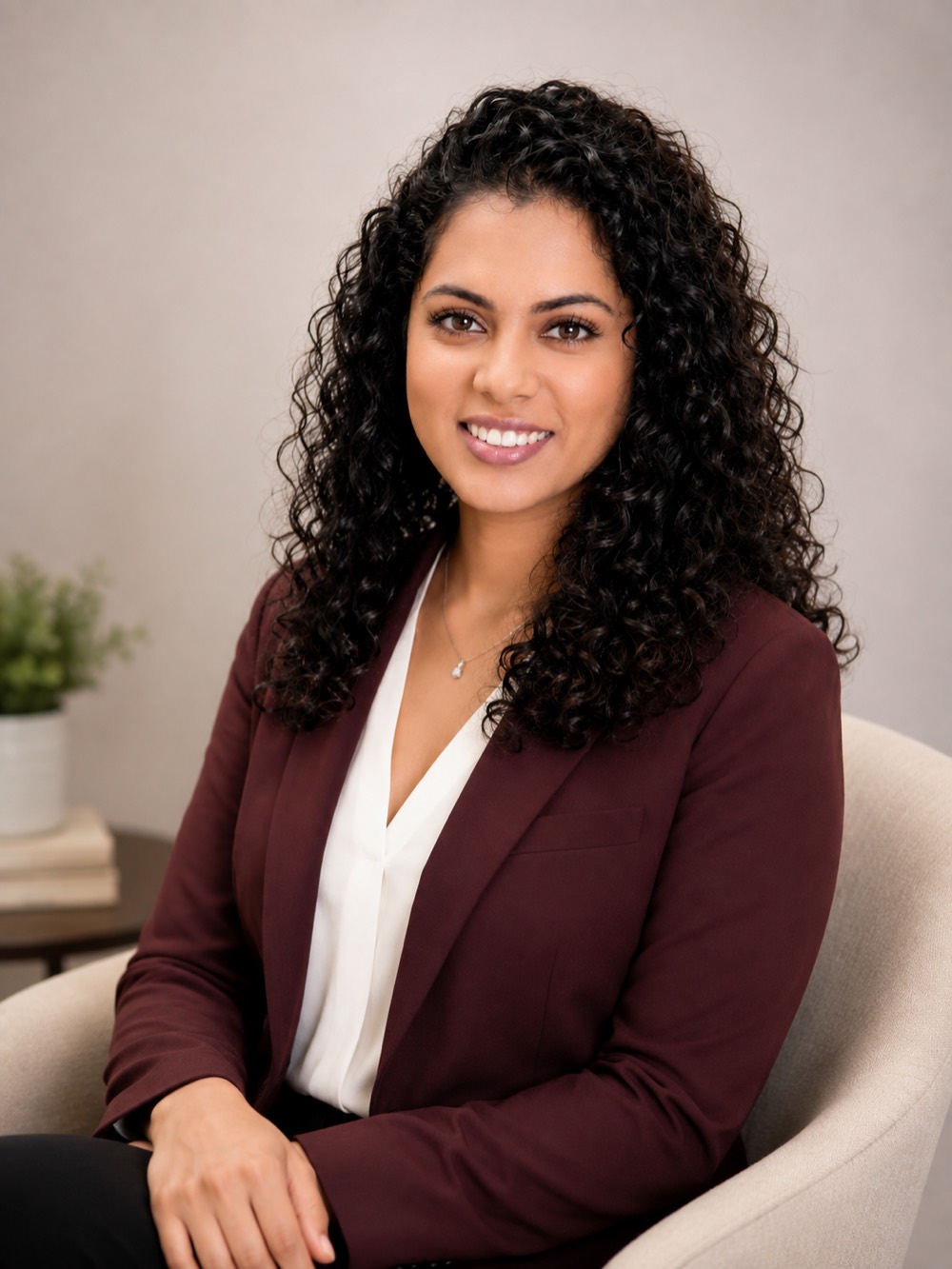
A Board Certified Behavior Analyst with over a decade spent learning how to listen to what behavior is really saying. Based in the UAE, still just as curious as day one.
I didn't just study behavior. I fell into it, stayed for the science, and never left. Over 10 years in ABA have taught me that the most meaningful progress happens when people feel heard first.
I earned my BCBA in December 2021 and hold an OBM certificate, which means I think about behavior at every level — from the individual to the organization. In August 2024, I moved to the UAE to bring that perspective somewhere new.
At my core, I believe every person's behavior is worth understanding. That belief shapes everything I do.
Applied Behavior Analysis — ABA — is the science of behavior. Not a set of drills. Not a compliance program. A research-backed framework for understanding why behavior happens and what shapes it. At its core, it asks a simple question: what is this behavior communicating, and what in the environment is influencing it?
Most of what we do, we learned somewhere — through experience, repetition, and the responses of the world around us. That means it can be unlearned, reshaped, or built from the ground up. That's not a small thing. That's where real change begins.
No behavior exists in a vacuum. Where someone is, who they're with, what just happened before — it all matters. ABA looks at the whole picture, not just the moment. Understanding context is often the difference between reacting to behavior and actually understanding it.
Progress in ABA is intentional, measured, and built one small skill at a time. It isn't dramatic or overnight. But those small, deliberate steps compound — and the result is change that actually lasts, because it was built carefully.
In ABA, we don't guess. We observe, measure, and adjust. Data keeps the work honest and keeps the person at the center. It means every decision is grounded in what is actually happening — not what we assume is happening.
A Board Certified Behavior Analyst is the person trained to put this science into practice. Getting there means years of supervised experience, a rigorous national exam, and an ongoing commitment to staying current with the evidence. It's a credential built on depth: not just knowledge of behavior, but the ability to apply it ethically, carefully, and with the individual always at the center.
In practice, that looks like working with families, schools, and organizations through early intervention, parent training, assessments, staff training, speaking, and consultation.
ABA has a complicated history — and that's worth acknowledging. At its worst, it has been rigid, compliance-focused, and disconnected from the person it was meant to serve. At its best — and at the heart of how I practice it — it is curious, individualized, and deeply human. The science is sound. What matters is how it's applied, and who is at the center of every decision.
That's the version of this science I've committed to.
One that starts with listening.
Organizational Behavior Management — OBM — takes everything ABA knows about behavior and applies it to a bigger stage. Teams, systems, culture, performance. It asks the same foundational question, just in a different setting: what is influencing behavior here, and what needs to change?
Strip away the org chart and what you have is people, behaving. OBM treats the organization not as a machine to be optimized but as a collection of human behaviors — shaped by systems, incentives, and the environment around them.
When someone isn't performing well, it's rarely just about the individual. OBM looks at what the system around them is asking for, rewarding, and allowing. Fix the system and you often fix the problem — without ever having to fix the person.
Culture isn't a poster on a wall. It's the sum of what people actually do, day after day. OBM looks at culture not as a feeling but as a pattern of behavior — which means it can be observed, measured, and meaningfully changed.
In OBM, decisions aren't made on gut feelings or assumptions. We look at what's actually happening — who's doing what, how often, with what result — and we let that data point the way forward, not our best guess.
OBM can sound cold — metrics, performance, systems. But at its heart, it's still about people. The goal was never to optimize humans like machines. It's to understand what the environment is asking of people, and to make sure that environment is actually set up for them to succeed. That distinction matters enormously.
Because when the system works for the people in it,
the people work better together.
Every setting is different. The thread that connects them all is curiosity, care, and a commitment to what the evidence says.
Some conversations deserve a bigger room. Sharing what this field has taught me — about behavior, people, and why both matter — is something I take seriously.
Behavior doesn't stop at the individual level. Organizations have patterns too — and the right training changes both the culture and the outcomes.
Bringing evidence-based strategies to families, schools, and organizations — translating the science into something people can actually use every day.
Good programs start with good questions. Every assessment is a chance to look closer and design something that truly fits the person in front of you.
Parents know their children best. My role is to give them tools that make sense in real life, not just in a session room.
The earliest years shape everything that follows. Working with young learners means meeting them where they are and building from there, gently and intentionally.
Supporting practitioners on the path to certification — whether you are working toward your ABAT, RBT, BCaBA, BCBA, QBA, or QASP, supervision should feel like growth, not just a requirement.
Notes from the field, honest reflections, and the occasional lesson learned the hard way.
What it's like to rebuild a career in a place where everything is familiar and nothing is at the same time.
Read more →Why the best caregiver coaching happens when it stops feeling like instruction and starts feeling like a conversation.
Read more →Organizational behavior management sounds corporate. But at its heart, it's still about understanding why people do what they do.
Read more →Something new is in the works. Stay tuned for conversations about behavior, people, and the stories behind the science.
Get Notified →Whether you have a question, a project, or just want to connect — I'd love to hear from you.